Discover the Ultimate Guide to Home Gardening: Tips for Beginners
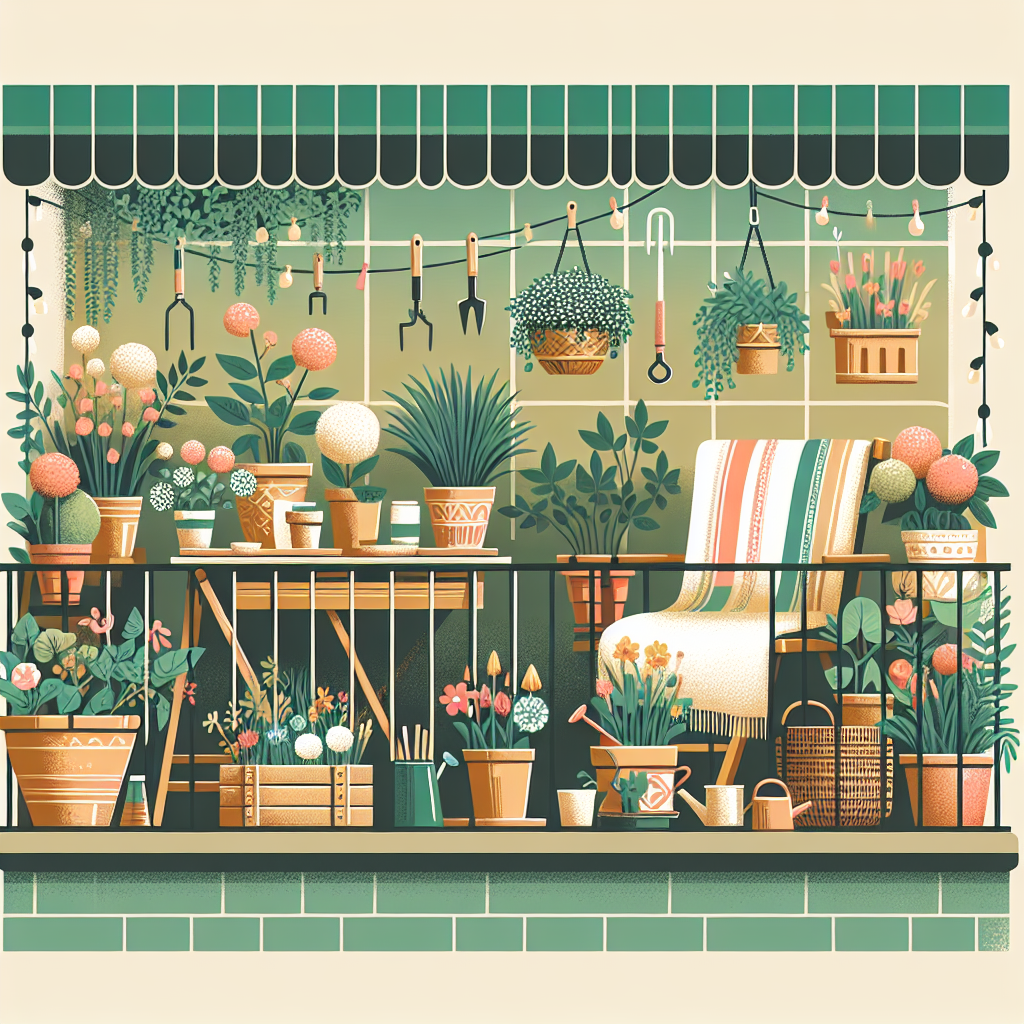
Gardening has taken the world by storm, becoming one of the most popular and rewarding hobbies in recent years. Whether you have a sprawling backyard or a tiny apartment balcony, home gardening offers a chance to connect with nature, grow your own food, and even enjoy the therapeutic benefits that come with nurturing plants. If you’re new to gardening or looking to refine your skills, this ultimate guide will provide you with practical tips, helpful insights, and inspiration to embark on your own gardening journey.
Why Start a Home Garden?
Before diving into the nitty-gritty of gardening, let’s explore why you should consider starting a home garden.
- Health Benefits: Growing your own fruits and vegetables ensures you have access to fresh produce, which is often more nutritious than store-bought options.
- Environmental Impact: Home gardening promotes sustainability by reducing the carbon footprint associated with transporting food.
- Cost-Effective: While there are initial costs involved, home gardening can save you money on groceries in the long run.
- Therapeutic Effects: Gardening is known to reduce stress and anxiety, providing a calming effect as you cultivate your plants.
Getting Started: The Basics of Home Gardening
Choosing the Right Location
The first step in your gardening journey is selecting an appropriate location. Consider the following factors:
- Sunlight: Most plants require at least 6 hours of sunlight a day. Observe your space throughout the day to identify the sunniest spots.
- Accessibility: Ensure that your garden is easily accessible for regular maintenance and harvesting.
- Soil Quality: Check the soil conditions. Healthy soil is crucial for plant growth, so consider testing the pH and nutrient levels.
Selecting Your Plants
Now that you have a location, it’s time to choose what you want to grow. Start with these beginner-friendly options:
- Herbs: Basil, mint, and parsley are easy to grow and can be used in various dishes.
- Vegetables: Tomatoes, lettuce, and radishes are great choices for novice gardeners.
- Flowers: Marigolds and zinnias add color and attract beneficial insects to your garden.
Preparing Your Garden
Once you’ve selected your plants, preparing the garden bed is essential for success.
Soil Preparation
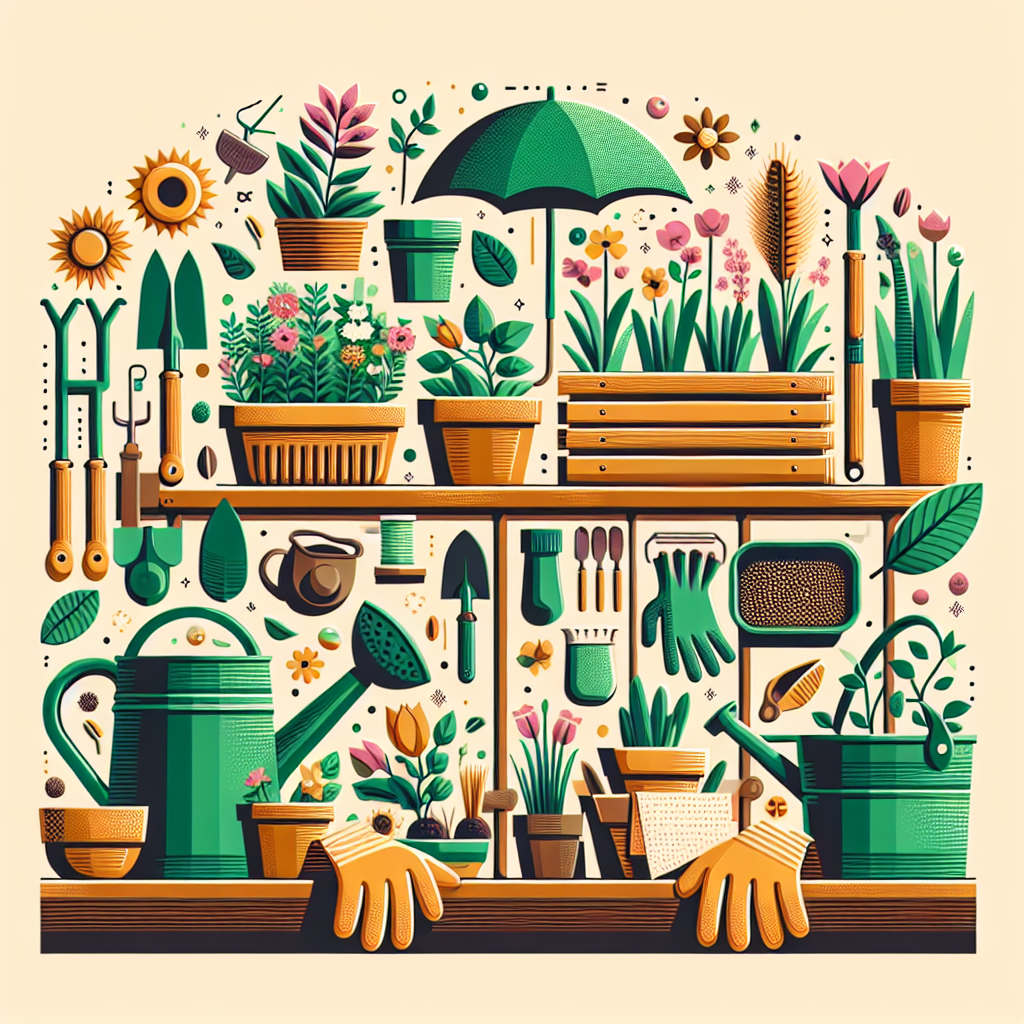
- Clear the Area: Remove any weeds, rocks, or debris from your chosen garden space.
- Till the Soil: Loosen the soil with a shovel or garden fork to improve aeration and drainage.
- Add Organic Matter: Incorporating compost or well-rotted manure enriches the soil and provides essential nutrients.
Planting Tips
- Spacing: Follow instructions on seed packets or plant labels regarding spacing. Overcrowding can lead to competition for nutrients and poor growth.
- Depth: Ensure you plant seeds or seedlings at the correct depth, as indicated on the packaging.
Ongoing Garden Maintenance
With your plants in the ground, ongoing maintenance is key to enjoying a flourishing garden. Here are some essential maintenance tasks:
Watering
- Frequency: Water your garden regularly, especially during dry spells. Early morning or late afternoon is the best time to water.
- Method: Use a soaker hose or drip irrigation for efficient watering, minimizing evaporation and disease risk.
Fertilizing
- Organic Fertilizers: Use compost, fish emulsion, or other organic fertilizers to provide nutrients without the harsh chemicals found in synthetic options.
- Timing: Fertilize at the start of the growing season, and then periodically throughout to support plant growth.
Weeding
- Regular Checks: Spend a few minutes each week inspecting for weeds. Removing them early prevents them from competing with your plants for nutrients and water.
- Mulching: Applying a layer of mulch around your plants can help suppress weeds and retain soil moisture.
Pest Control: Keeping Your Garden Healthy
Pests can be a gardener’s worst nightmare, but there are many natural ways to manage them without resorting to harsh chemicals.
Identify Common Pests
- Aphids: Small green or black insects that sap plant juices.
- Caterpillars: Often found munching on leaves, they can quickly defoliate plants.
- Slugs and Snails: These pests thrive in damp conditions and can cause significant damage.
Natural Remedies
- Companion Planting: Certain plants, like marigolds, can deter pests.
- Neem Oil: This natural pesticide can help manage many common garden pests.
- Hand Picking: For larger pests like caterpillars, removing them by hand can be effective.
Harvesting: Enjoying the Fruits of Your Labor
After months of hard work, it’s time to enjoy the rewards of your garden. Here’s how to ensure a successful harvest:
When to Harvest
- Timing: Each plant has its own ideal harvest time. For example, tomatoes should be harvested when they are fully colored and firm to the touch.
- Signs of Ripeness: Look for visual cues such as size, color, and texture to determine when fruits and vegetables are ready to be picked.
How to Harvest
- Gentle Techniques: Use scissors or pruners for delicate plants to avoid damaging the plant.
- Regular Harvesting: Picking ripe produce encourages more growth and can prevent overripening.
Conclusion
Home gardening is not just a hobby; it’s a rewarding experience that allows you to cultivate your own patch of nature. From selecting the right location and plants to maintaining your garden and enjoying the harvest, each step is filled with learning opportunities and satisfaction. Whether you want to grow fresh herbs for your kitchen or create a vibrant flower garden, the possibilities are endless.
As you embark on your gardening journey, remember that patience and practice are key. Every gardener makes mistakes, but each step taken brings you closer to a thriving garden. So grab your tools, get your hands dirty, and enjoy the incredible journey of home gardening!