In an era where urban living often means limited space, the idea of cultivating a vegetable garden might seem daunting. However, with creativity and determination, balconies can transform into lush, productive spaces that not only enhance your living environment but also deliver fresh produce right at your fingertips. This article serves as a comprehensive guide for anyone looking to elevate their space through a thriving balcony vegetable garden.
The Benefits of Balcony Vegetable Gardening
Before diving into the how-to’s, it’s essential to understand the myriad benefits of growing your own vegetables on your balcony:
1. Fresh Produce at Your Fingertips
One of the most rewarding aspects of growing your vegetables is having fresh, organic produce just steps away from your kitchen. This not only enhances your meals but also encourages healthier eating habits.
2. Environmental Impact
By growing your own food, you reduce your carbon footprint. You eliminate the need for transportation, packaging, and other resources involved in commercial food production. Additionally, plants absorb CO2 and produce oxygen, promoting a healthier urban environment.
3. Cost-Effective
While there may be initial setup costs (like pots, soil, and seeds), growing your own vegetables can significantly reduce grocery bills. Many vegetables can be harvested multiple times, providing ongoing savings.
4. Therapeutic Benefits
Gardening has been shown to reduce stress and anxiety levels. The act of nurturing plants and spending time outdoors contributes to mental well-being and promotes mindfulness.
5. Space Utilization
Balconies often go underutilized. A vegetable garden can maximize the potential of your space, turning a plain outdoor area into a flourishing green oasis.
Planning Your Balcony Vegetable Garden
1. Assess Your Space
Before planting, evaluate your balcony. Consider the following factors:
- Sunlight: Most vegetables require 6-8 hours of sunlight daily. Observe how sunlight hits your balcony throughout the day and choose your planting strategy accordingly.
- Wind Exposure: Balconies can be windy, which may harm delicate plants. Consider using windbreaks or placing taller plants to shield smaller ones.
- Weight Limitations: Ensure your balcony can support the weight of pots, soil, and water. If you’re uncertain, consult a structural engineer.
2. Choose the Right Containers
Containers are a crucial aspect of balcony gardening. Here are some tips for selecting the right ones:
- Material: Options include plastic, ceramic, metal, and wood. Each has its pros and cons. For example, plastic is lightweight and retains moisture, while ceramics are aesthetically pleasing but heavier.
- Size: Choose pots that are appropriate for the size of the plants you want to grow. Larger plants like tomatoes may need deeper pots, while herbs can thrive in smaller containers.
- Drainage: Ensure all pots have drainage holes. Proper drainage prevents waterlogging, which can lead to root rot.
3. Soil Selection
Soil quality is paramount for healthy plant growth. Consider the following:
- Potting Mix: Use a high-quality potting mix designed for container gardening. It should be lightweight, well-draining, and rich in nutrients.
- Organic Matter: Adding compost or well-rotted manure can enhance soil fertility and structure.
4. Selecting Vegetables
Not all vegetables are suitable for balcony gardening. Here are some great options:
- Herbs: Basil, cilantro, parsley, and mint thrive in containers and can be harvested throughout the season.
- Leafy Greens: Lettuce, spinach, and kale grow well in smaller spaces and can be cut and regrown.
- Root Vegetables: Radishes and carrots can be grown in deeper containers, making them suitable for balconies.
- Fruiting Plants: Tomatoes, peppers, and cucumbers can flourish in pots, though they may require staking or support as they grow.
5. Companion Planting
Companion planting is the practice of growing different plants in proximity to enhance growth, deter pests, and maximize space. For instance, planting basil near tomatoes can improve their flavor and deter certain pests.
Setting Up Your Balcony Garden
1. Layout and Design
Plan your garden layout by considering the following:
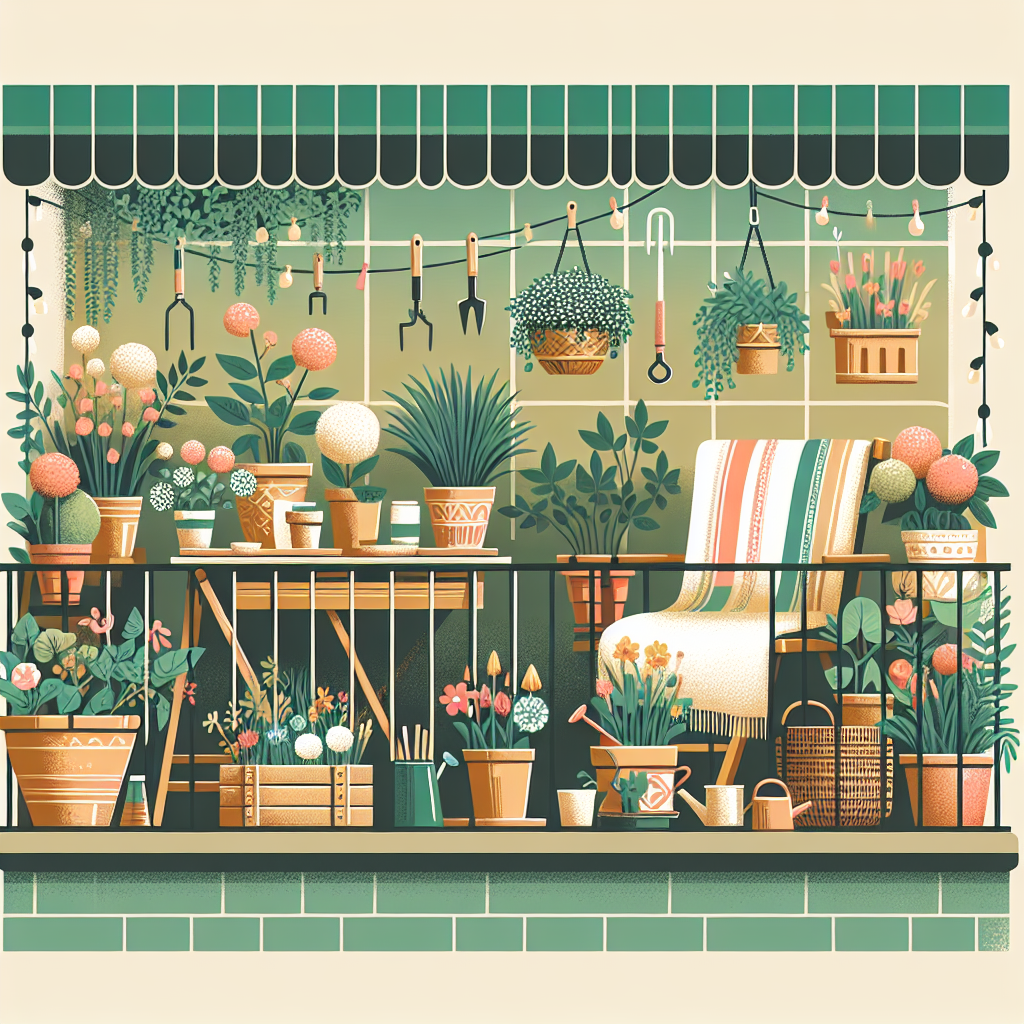
- Vertical Gardening: Utilize vertical space by using wall planters, trellises, or hanging pots. This is especially useful in small areas.
- Accessibility: Ensure that you can easily access all plants for watering, harvesting, and maintenance.
- Aesthetics: Arrange your containers in a visually pleasing manner. Mixing colors and heights can create an attractive display.
2. Watering
Proper watering is crucial for balcony gardens. Here are some tips:
- Frequency: Container plants often require more frequent watering than garden beds. Check the moisture level daily, especially in hot weather.
- Method: Water thoroughly until it drains from the bottom. Avoid overhead watering, which can lead to fungal diseases.
3. Fertilization
Regular fertilization is essential for container plants, as nutrients can leach out with each watering. Consider the following:
- Organic Fertilizers: Use compost, fish emulsion, or liquid seaweed to provide nutrients without chemicals.
- Slow-Release Fertilizers: These can be mixed into the potting soil at the beginning of the season for a steady supply of nutrients.
Pest and Disease Management
Even the most well-tended gardens can face pest and disease issues. Here’s how to manage them:
1. Preventive Measures
- Healthy Plants: Start with healthy seeds or seedlings to minimize disease.
- Companion Planting: As mentioned, some plants repel pests naturally.
- Cleanliness: Keep your balcony clean and remove any dead or decaying plant material.
2. Natural Remedies
If pests appear, consider natural remedies before resorting to chemical pesticides:
- Neem Oil: Effective against a range of pests, neem oil is a natural insecticide.
- Soap Spray: A solution of mild soap and water can help control aphids and spider mites.
- Hand-Picking: For larger pests like caterpillars or snails, simply removing them by hand can be effective.
Seasonal Considerations
1. Spring Planting
Spring is the ideal time to start your balcony garden. Begin with cool-season crops like lettuce, spinach, and peas. As temperatures rise, transition to warmer crops like tomatoes and peppers.
2. Summer Care
During the summer months, ensure your plants receive adequate water. Consider using mulch to retain moisture in pots and protect roots from extreme heat.
3. Fall Harvest
As summer crops wind down, fall is the perfect time to plant hardy greens and root vegetables. Be prepared for cooler temperatures by using row covers or bringing pots indoors if necessary.
4. Winter Gardening
In many climates, winter can pose challenges. However, with the right planning, you can still grow:
- Cold Frames: These structures can provide a warmer environment for hardy greens.
- Indoor Gardening: Consider moving pots indoors or using grow lights to continue gardening throughout the winter months.
Conclusion
Transforming your balcony into a thriving vegetable garden is not only an excellent way to utilize your space but also a rewarding endeavor that brings numerous benefits. With careful planning, creativity, and a little patience, you can enjoy fresh, home-grown produce year-round. Embrace the journey of gardening, and let your balcony flourish into a green sanctuary that elevates your living space and nourishes your body. Happy gardening!