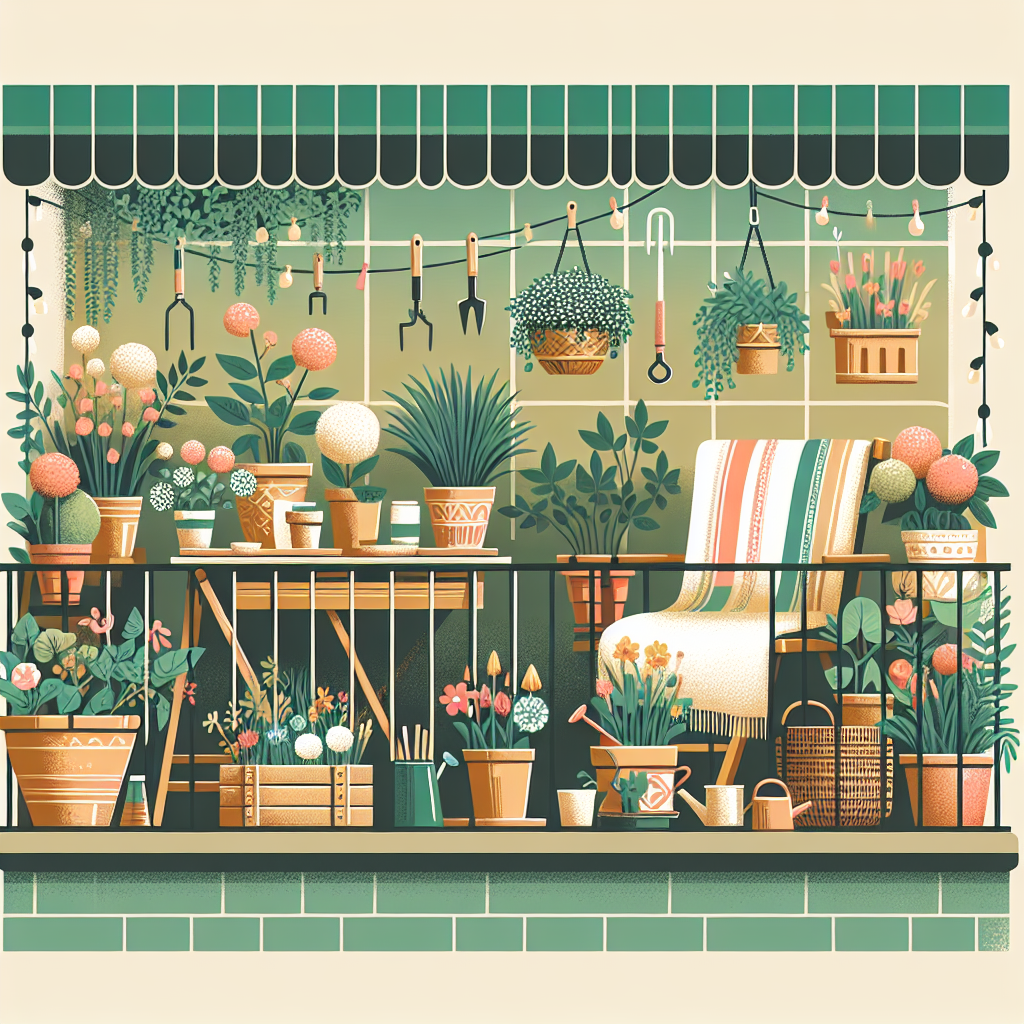
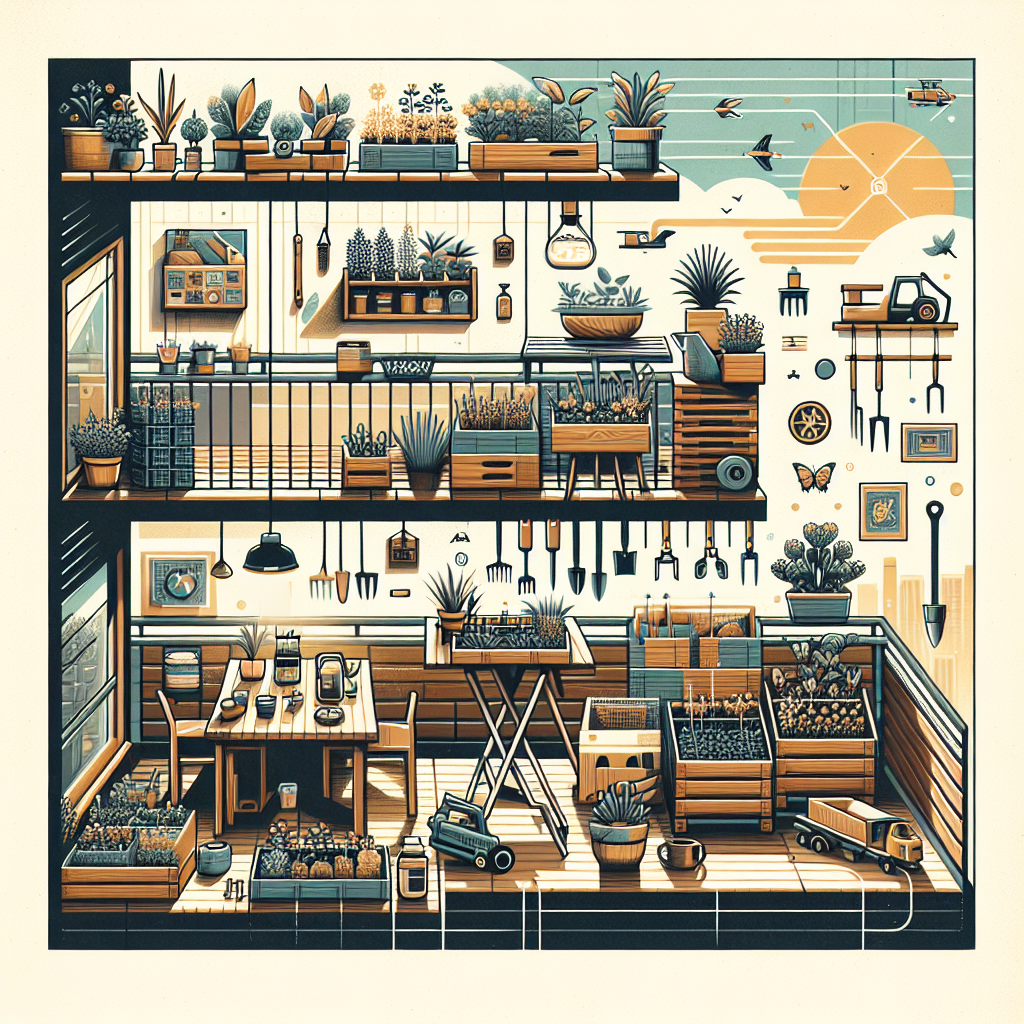
Gardening on a balcony is an excellent way to bring nature into your urban life, and it’s an especially rewarding endeavor when it comes to growing herbs. Not only do herbs enhance the flavor of your meals, but they also provide a sensory experience with their vibrant colors and fragrant aromas. This ultimate guide will walk you through the steps necessary to create a thriving balcony herb garden, even in limited space.
1. Planning Your Balcony Herb Garden
Assess Your Space
Before you start planting, take a good look at your balcony. Consider the amount of sunlight it receives, the wind patterns, and the overall space available. Most herbs require at least 6-8 hours of sunlight per day, so a south-facing balcony is ideal. If your balcony doesn’t receive much direct sunlight, don’t worry; there are shade-tolerant herbs like mint and parsley that can thrive in lower light conditions.
Choose Your Containers
Your choice of containers can impact the health of your herbs. Opt for pots with drainage holes to prevent overwatering, as herbs do not like soggy roots. Terracotta pots are a popular choice because they are porous and allow for air circulation, but plastic containers can also work well and are lighter. Consider using vertical planters or wall-mounted shelves to maximize space if your balcony is small.
Select the Right Herbs
Choosing the right herbs is crucial for a successful balcony garden. Here’s a list of some popular herbs that are easy to grow and suitable for container gardening:
- Basil: Perfect for summer dishes and pesto, basil loves sunlight.
- Parsley: A versatile herb that can grow in partial shade.
- Cilantro: Great for salsas and Asian dishes, cilantro prefers cooler temperatures.
- Mint: A hardy herb that can tolerate shade and spreads quickly.
- Thyme: A drought-resistant herb that thrives in sunny spots.
- Oregano: Ideal for Mediterranean dishes, oregano loves warm, dry conditions.
- Chives: Hardy and tolerant, chives can flourish in various conditions.
2. Preparing the Soil
Choosing the Right Soil
Herbs require well-draining soil to thrive. A high-quality potting mix is ideal, preferably one that is organic and nutrient-rich. You can also mix in some perlite or coarse sand to improve drainage. Avoid using garden soil, as it can compact in pots and may contain pests or diseases.
Fertilizing
While herbs can grow in nutrient-rich soil, they can benefit from additional feeding. Use a balanced, all-purpose fertilizer every 4-6 weeks during the growing season. However, be cautious not to over-fertilize, as this can lead to excessive leaf growth and reduced flavor.
3. Planting Your Herbs
Starting from Seeds vs. Seedlings
You can grow herbs from seeds or purchase seedlings from a local nursery. Starting from seeds can be more cost-effective, but it requires patience and care. If you opt for seeds, follow the instructions on the seed packet for planting depth and spacing. Seedlings are a quicker option if you’re eager to start cooking with fresh herbs right away.
Planting Guidelines
- Fill your containers with the prepared potting mix, leaving about an inch of space from the top.
- Plant seeds or seedlings according to their specific depth and spacing requirements.
- Water gently to settle the soil around the roots, ensuring there’s no air trapped in the soil.
4. Caring for Your Balcony Herb Garden
Watering
Proper watering is crucial for herb health. Herbs prefer consistently moist soil, but they don’t tolerate standing water. Water when the top inch of soil feels dry to the touch. In warm weather, you may need to water more frequently. Consider using self-watering pots if you travel often or struggle with consistent watering.
Pruning and Harvesting
Regular pruning encourages bushier growth and prevents herbs from becoming leggy. For most herbs, you can harvest leaves as needed, but be sure to leave enough foliage for the plant to continue growing. For basil, for example, pinch off the top leaves to encourage lateral growth. Always use clean scissors or shears to prevent disease transmission.
Pest Management
Herbs are generally hardy, but they can still attract pests like aphids and spider mites. Inspect your plants regularly for signs of infestation. If pests are detected, consider natural remedies like neem oil or insecticidal soap. Encouraging beneficial insects, like ladybugs, can also help keep pests in check.
5. Seasonal Considerations
Growing Herbs Indoors
If you live in a climate with harsh winters or your balcony is too cold, consider moving your herbs indoors. Place them in a sunny window or use grow lights to provide adequate light. Indoor herbs may require less water than outdoor herbs, so adjust your watering schedule accordingly.
Seasonal Rotation
Many herbs are annuals, meaning they complete their life cycle in one growing season. Consider rotating your herbs each season to keep your garden fresh. For example, you can grow basil, parsley, and dill in the summer and switch to thyme, rosemary, and sage in the fall.
6. Cooking with Your Fresh Herbs
Fresh vs. Dried Herbs
Using fresh herbs in your cooking can elevate your dishes significantly. Fresh herbs have a more vibrant flavor and aroma compared to their dried counterparts. Use them in salads, dressings, marinades, and as garnishes. For maximum flavor, add fresh herbs towards the end of cooking or as a finishing touch.
Preserving Your Herbs
If you find yourself with an abundance of herbs, consider preserving them. You can dry herbs by hanging them upside down in a cool, dark place or using a dehydrator. Alternatively, you can chop fresh herbs and mix them with olive oil to create herb-infused oils or freeze them in ice cube trays for easy use later.
7. Common Challenges and Solutions
Dealing with Poor Growth
If your herbs aren’t growing well, consider the following potential issues:
- Insufficient Light: If your herbs aren’t getting enough sunlight, try moving them to a sunnier location or supplementing with grow lights.
- Overwatering or Underwatering: Adjust your watering schedule based on your plant’s needs and the weather conditions.
- Pest Infestation: Regularly check for pests and treat them promptly to prevent damage.
Winter Care
In colder months, herbs may go dormant. If you live in a region with severe winters, consider bringing your pots indoors or covering them with frost cloth if they stay outside. Keep in mind that some herbs, like rosemary, can be more sensitive to frost.
Conclusion
Creating a thriving balcony herb garden is a fulfilling and productive endeavor that can enhance your cooking and brighten your living space. By planning, choosing the right herbs, and providing proper care, you can enjoy fresh flavors right from your urban oasis. Remember that gardening is a journey of learning and adaptation, so don’t be discouraged by challenges along the way. Embrace the experience and relish the joy of cultivating your own herbs! Happy gardening!