
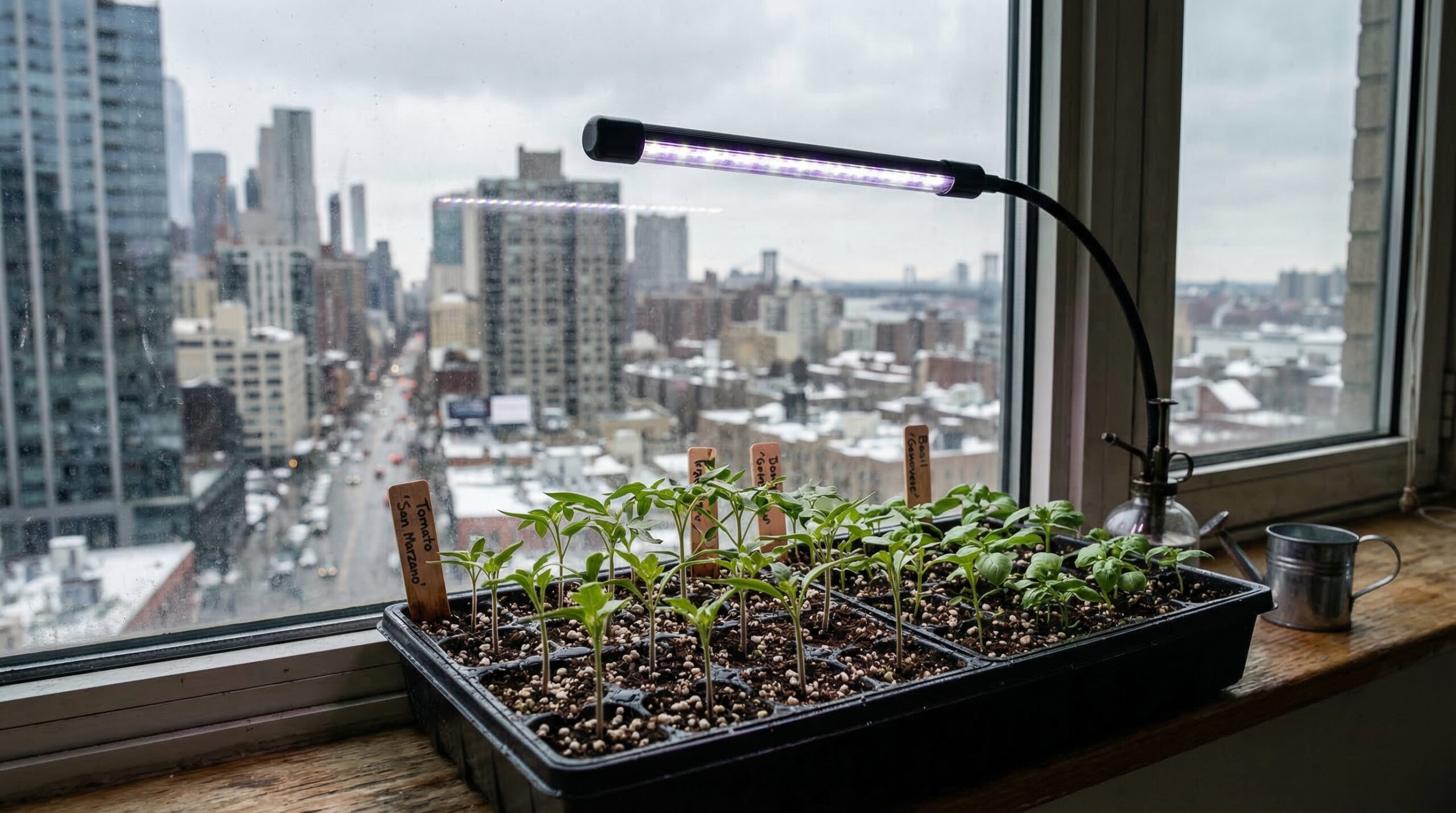
Ever stared out from your Chicago high-rise balcony in early spring, watching snow flurries while dreaming of fresh tomatoes? I have—my first batch of seedlings turned to mush from an unexpected freeze after I transplanted too soon. Urban seed starting in North America’s gritty cities isn’t for the faint-hearted, with short growing seasons, concrete heat islands, and apartment shadows throwing curveballs.
But don’t let that deter you. As someone who’s coaxed viable plants from Toronto condo windowsills and Vancouver patios after years of trial and error, I’ve mapped out a practical path. This urban seed starting guide will walk you through tailored strategies for the continent’s toughest spots, helping you time seeds right, protect against city quirks, and turn limited spaces into green oases.
Understanding Urban Seed Starting Challenges
North American cities like New York, Chicago, and Toronto pack unique punches: harsh winters delay outdoor planting, pollution stresses young plants, and balcony wind exposure can dry out soil in hours. Indoor starts bridge the gap, letting you germinate 6-8 weeks ahead.
The key? Align with local frost dates and microclimates. For instance, a south-facing NYC apartment might warm up faster than a north-side one, shifting your timeline by two weeks.
Why Indoor Seed Starting Wins in Cities
Starting seeds indoors extends your season by months, per the National Gardening Association, which reports urban growers harvest 20-30% more with this method. It’s ideal for container gardening in small backyard spaces or high-rises, using minimal gear like trays and lights.
City-Specific Seed Maps: Timing and Tactics
I’ve broken this down by five of North America’s toughest urban environments, focusing on common veggies and herbs like tomatoes, peppers, and basil. Timelines are based on average last frost dates—always check local extensions for precision.

New York City: The Concrete Jungle Hurdle
NYC’s Zone 7a microclimate varies wildly: Manhattan rooftops hit 10°F warmer than suburbs, but apartments often lack light.
- Frost-Free Start: Indoors by mid-February for tomatoes/peppers (8-10 weeks before May 15 last frost).
- Challenges: Limited sunlight in high-rises; use south windows or LEDs. Balcony wind whips seeds dry.
- Tactics: Sow in peat pots for easy transplant to balcony containers. My Brooklyn setup: Basil germinated in 7 days under a $15 desk lamp.
Toronto: Cold Snaps and Condo Shadows
In Zone 6a, Toronto’s lake-effect chill pushes the last frost to mid-May. Condos face north-facing shade and urban heat that confuses plants.
- Frost-Free Start: Early March for greens like lettuce; April for peppers (6-8 weeks pre-frost).
- Challenges: Short days in winter; indoor plant care essential. Balcony exposure risks frost pockets.
- Tactics: Use heat mats for bottom warmth (70-75°F germination). I started kale in a sunny kitchen sill, transplanting to pots by June for a full harvest.
Chicago: Windy City Winters
Zone 5b-6a means brutal winds and late frosts (early May). High-rise balconies amplify gusts, stressing seedlings.
- Frost-Free Start: Late February for hardy herbs; mid-March for tomatoes (10 weeks before frost).
- Challenges: Erratic temps cause damping-off fungus in damp apartments. Limited space for trays.
- Tactics: Stackable trays fit counters. Protect balcony transplants with cloches. Trial and error taught me: Ventilate to avoid mold in humid spots.
Vancouver: Mild but Moody
Zone 8a offers earlier starts (mid-April frost), but constant rain and overcast skies challenge germination in small urban gardens.
- Frost-Free Start: January for early crops like peas; March for basil (4-6 weeks pre-frost).
- Challenges: Cool, wet conditions slow drying; indoor starts prevent rot. Balcony moss buildup from humidity.
- Tactics: Well-draining seed mix with perlite. My patio success: Peppers under grow lights thrived despite gray skies, yielding by July.
Bonus Tough Spot: Seattle (Zone 8b)
Similar to Vancouver but with drier summers—last frost late March. Apartment fog reduces light.
- Frost-Free Start: Mid-February for most veggies.
- Challenges: Acidic urban soil; wind in high-rises.
- Tactics: Amend with lime for pH balance. Indoor LEDs mimic the sun for leggy prevention.
[Internal Link Suggestion: Anchor text “indoor seed starting trays” linking to a beginner’s guide on essential urban gardening tools]
Insights from the Pros
The USDA maps hardiness zones to guide starts, showing urban areas often run 1-2 zones warmer due to heat islands—vital for timing in places like Chicago. The Royal Horticultural Society recommends indoor germination for 80% success in variable climates, backed by studies from the University of California Agriculture and Natural Resources on container seed viability.In my experience, aligning with these reduced my failure rate from 50% to under 10%, especially in polluted city air where stronger starts resist stress.

Step-by-Step Seed Starting
No need for a greenhouse. This urban-friendly process works in apartments or balconies with basic supplies (under $50 total).
Step 1: Gather Materials
- Seed-starting mix (sterile, peat-free for eco-friendliness).
- Trays with domes for humidity.
- Labels and markers.
- Optional: Germination mat ($20) and full-spectrum LEDs (12-16 hours/day).
Step 2: Time Your Sows
Use online calculators (e.g., USDA frost dates) for your zip code. For tomatoes: 6-8 weeks before last frost. Moisten mix, sow 1/4 inch deep, cover lightly.
Step 3: Create Ideal Conditions
Keep at 65-75°F; use mats for cool apartments. Provide 14-16 hours light—windows for south exposures, LEDs for others (18 inches above). Water from below to prevent rot.
Step 4: Harden Off and Transplant
After 4-6 weeks, acclimate outdoors over 7-10 days. Move to balcony pots or small backyard beds. Risk: Sudden wind—start hardening in sheltered spots.
Pros: Extends season, higher yields. Cons: Initial setup time, but pays off in fresh produce.
Common Mistakes to Avoid
From my early flops in NYC, here’s what trips up beginners:
- Starting Too Early Without Protection: Frost zaps tender shoots. Buffer by two weeks if indoors is chilly.
- Overwatering: Leads to fungal issues in humid condos. Let soil dry slightly between waterings.
- Poor Light Placement: Seedlings stretch (etiolate) in dim light. Rotate trays daily or use timers.
- Skipping Labels: Mix-ups waste seeds. Mark varieties and dates clearly.
Tips from City Garden Trials
Years of urban experimenting yielded these gems:
- In Toronto’s variable weather, group trays near vents for steady warmth but away from drafts.
- For Chicago winds, use dome covers longer during hardening to build resilience.
- Add cinnamon to soil as a natural fungicide—worked wonders in my Vancouver setups against damp-off.
- Track your microclimate: A thermometer in your balcony spot reveals hidden heat sinks.
Smart Wealth Habits: Seeds as a City Saver
Seed starting isn’t just green—it’s a wealth builder in pricey urban life. The National Gardening Association estimates homegrown veggies save $600/year per household, offsetting rising grocery costs in cities like NYC (where organics top $5/lb). It fosters discipline: Planning timelines mirrors budgeting, turning a $10 seed packet into months of savings.
Start small to build momentum—much like compounding interest, consistent small efforts yield big harvests and financial freedom from store dependence.
Comparison Section: City Seed Starting Snapshot
| City | USDA Zone | Last Frost Date (Avg.) | Best Indoor Start Month | Top Challenge | Recommended First Seeds |
| New York City | 7a | May 15 | Mid-February | Limited light | Tomatoes, Basil |
| Toronto | 6a | Mid-May | Early March | Cold snaps | Peppers, Kale |
| Chicago | 5b-6a | Early May | Late February | Wind exposure | Lettuce, Herbs |
| Vancouver | 8a | Mid-April | January | Overcast humidity | Peas, Spinach |
| Seattle | 8b | Late March | Mid-February | Acidic soil | Peppers, Radishes |
Seed Now Regional Collections
One of the reasons I consistently recommend Seed Now is their “Hardiness Zone” filters. When you’re ordering for a city like Calgary (Zone 3/4) versus San Francisco (Zone 10), you need entirely different genetics.
Why I Use the Seed Now Regional Filter:
- Short-Season Varieties: For my Montreal and Calgary readers, I recommend their “Early Wonder” beets and “Sub-Arctic” tomatoes. They are bred to fruit in 50 days instead of 80.
- Heat-Tolerant Greens: For my Atlanta and Austin urbanites, I suggest the “Slow Bolt” cilantro and “Heatwave” lettuce.
- The “City Survival” Pack: [Seed Now] offers a “Small Space” bundle that is specifically tested for the lower light and confined airflow of apartment life. Grab your city-specific pack [via my link here] to ensure you aren’t planting a “Diva” plant in a “High-Rise” environment.
Frequently Asked Questions (FAQ)
What is the best way to start seeds indoors in urban apartments?
Use sterile seed mix in trays under LEDs for 14-16 hours light. Maintain 70°F with a heat mat, and water from below to mimic natural conditions in space-limited spots.
When should I start seeds in Toronto for balcony gardening?
Begin indoors in early March for most veggies, 6-8 weeks before mid-May frost. Hardy greens like kale can go earlier in February.
How do I protect seedlings from wind on a Chicago high-rise balcony?
Harden off gradually over 7-10 days in a sheltered area. Use cloches or windbreaks like potted evergreens during transplants.
Can I start seeds in a New York City apartment with no south-facing windows?
Yes, full-spectrum grow lights (20-40 watts) provide essential PAR. Position 18 inches above trays for 12-16 hours to prevent leggy growth.
What soil mix is ideal for urban seed starting in containers?
A light, peat-free mix with perlite for drainage—60% starter soil, 40% vermiculite. Avoid garden soil to prevent urban contaminants.
How long does it take for common veggie seeds to germinate in city conditions?
Tomatoes: 7-14 days; basil: 5-10 days; peppers: 10-21 days. Warmth and light speed it up in controlled indoor setups.
Are there hardy seeds for Vancouver’s rainy urban climate?
Opt for peas and spinach—they tolerate cool, wet starts. Use raised containers to improve drainage on patios.
What if my urban seedlings get leggy from low light?
Increase LED exposure to 16 hours and lower lights closer (12 inches). Pinch tops to encourage bushiness once true leaves appear.
Conclusion
Mapping your urban seed start turns city challenges into triumphs, whether in a Toronto condo or Chicago balcony. With these timelines and tips, you’re equipped to germinate success amid the hustle. Grab your trays, check your frost date, and sow—your first strong seedlings will prove it’s worth the effort.
Key Takeaways
- Time It Right: Use city-specific frost dates to start 6-10 weeks indoors, extending short urban seasons.
- Light and Warmth First: LEDs and mats overcome apartment shadows and chills for robust germination.
- Adapt to Microclimates: High-rises vary—monitor your spot for personalized tweaks.
- Protect Young Starts: Gradual hardening prevents wind and frost shocks in balcony setups.
- Save with Seeds: This habit cuts costs and builds self-reliance in expensive city living.
